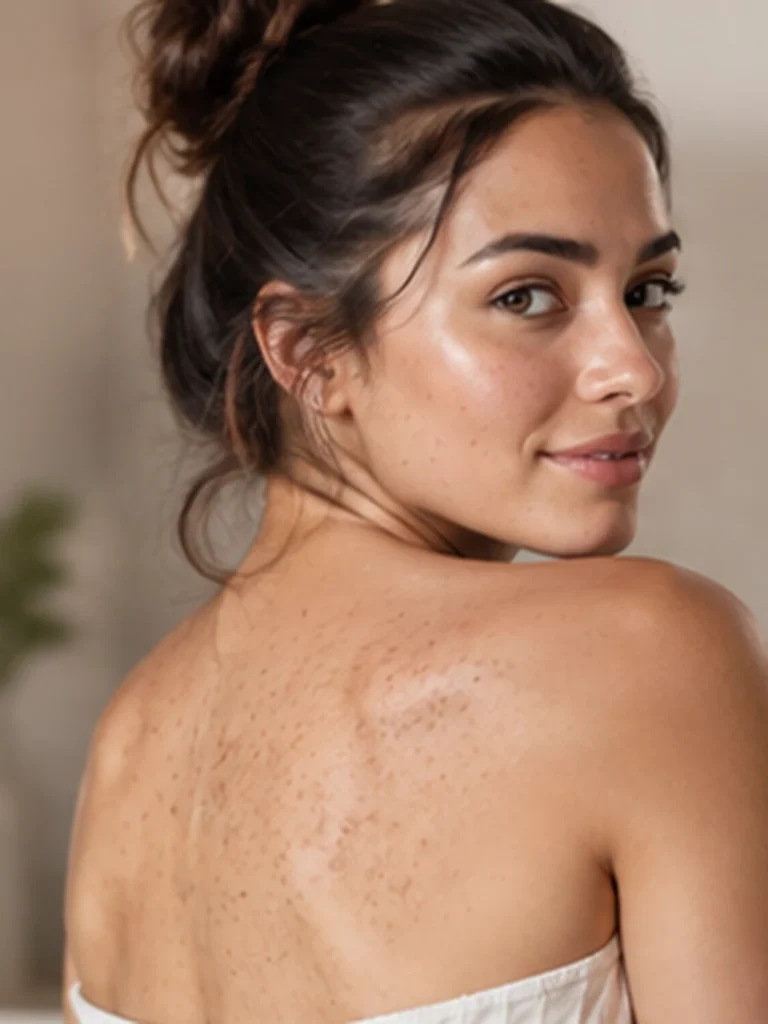
Breakouts on your back or chest can be frustrating, especially when they influence what you wear or make you avoid certain activities. Back acne, sometimes called “bacne”, is very common. It develops through the same basic process as facial acne, but the skin on your body faces its own challenges, including sweat, friction from clothing, and thicker skin. The good news is that with the right routine and, when needed, professional treatment, body acne can often be improved.
This guide explains what causes back and chest acne, what can make it worse, the treatment options available, and when it is worth seeking professional advice.
What Is Back and Chest Acne?
Acne happens when pores become clogged with oil and dead skin cells. The upper back, shoulders, and chest have a high concentration of oil glands, which makes them common places for breakouts. Clogged pores can appear as blackheads or whiteheads, and they can become inflamed, forming red bumps, pus-filled spots, or deeper, painful lumps.
According to the American Academy of Dermatology, skin on the back is thicker than facial skin, which is one reason body acne can take patience and a consistent approach.
What Causes Back Acne?
Oil Production and Clogged Pores
Active oil glands on the back and chest can produce more oil, particularly with hormonal changes. Combined with dead skin cells, this can block pores and lead to breakouts.
Sweat and Heat
Hot climates and physical activity mean sweat can stay trapped against the skin, especially under clothing. In a warm city like Riyadh, this can be a noticeable factor for many people.
Friction and Pressure
Tight clothing, backpack straps, sports equipment, and even leaning against car seats can rub or press on the skin. This friction may irritate follicles and worsen breakouts in specific areas.
Hair and Body Products
Heavy conditioners, hair oils, or rich body lotions can run down the back in the shower or transfer onto the skin, contributing to clogged pores in some people.
Genetics and Hormones
Some people are simply more prone to acne because of inherited or hormonal factors that cannot be fully controlled.
What Does Body Acne Look Like?
- Small blackheads or whiteheads
- Red, inflamed bumps or pus-filled spots
- Deeper, tender lumps in more severe cases
- Dark marks or scars that remain after spots clear
Not every bump on the back is acne. Conditions such as folliculitis, which affects hair follicles, can look similar but may need a different approach. This is one reason an assessment is helpful before starting treatment.
Who Is More Likely to Get It?
Back and chest acne can affect teenagers and adults of any gender. It tends to be more noticeable in people who exercise regularly, sweat heavily, wear tight or synthetic clothing for long periods, or also experience facial acne. If your breakouts are mainly on your face, our Acne Treatment page covers facial acne care.
Back Acne Treatment Options
The best approach depends on the type of breakouts, how severe they are, and how much of the body is affected. The American Academy of Dermatology’s acne treatment guideline supports combining different approaches and tailoring care to each person.
A Consistent Skin Care Routine
A gentle body cleanser, showering after sweating, and using non-comedogenic products form the foundation of any treatment plan. Harsh scrubs and rough loofahs are best avoided, as they can increase irritation.
Topical Treatments
Ingredients such as benzoyl peroxide and topical retinoids are well-established acne treatments. The AAD notes that benzoyl peroxide washes may work better on the back when left on the skin for a few minutes before rinsing, and that benzoyl peroxide can bleach towels and clothing. Because some products can cause dryness or irritation, it is sensible to get advice on what suits your skin.
In-Clinic Treatments
Depending on your assessment, a plan may include professional exfoliating or cleansing treatments suitable for body skin to help improve the appearance of the skin. You can learn more about Back & Chest Acne Treatment at Skin Vision.
Medical Treatment for More Severe Acne
Deep, widespread, or scarring acne, or acne that does not improve with good skin care, may need medical evaluation and prescription treatment from a physician.
Addressing Marks and Scars
Once active breakouts are under control, some people are left with dark marks or scarring. These are usually addressed after inflammation has settled. Our Scar & Acne Marks Treatment explains options for improving their appearance.
What to Expect From a Professional Assessment
An assessment typically includes examining the affected areas and the type of breakouts, and asking about your skin care, the products you use, exercise habits, clothing, medications, and any other possible triggers. From there, a suitable plan and realistic expectations can be discussed. Improvement usually takes time and consistency, and results vary between individuals.
How to Help Prevent Back and Chest Acne
- Shower as soon as practical after exercise or heavy sweating.
- Choose breathable or moisture-wicking clothing, especially for workouts.
- Wash workout clothes after each use rather than wearing them again.
- Rinse conditioner thoroughly off your back, or wash your body after rinsing your hair.
- Avoid picking or squeezing spots, which can increase the risk of dark marks and scarring.
- Change bed sheets regularly.
When Should You Seek Professional Advice?
Consider seeing a professional if your breakouts are painful or deep, are leaving marks or scars, have not improved after several weeks of consistent care, or are accompanied by other unusual symptoms. Early advice can help reduce the chance of lasting marks.
Frequently Asked Questions
Is back acne caused by poor hygiene?
Not necessarily. Back acne is mainly related to oil production, clogged pores, and other factors. That said, showering after sweating can help reduce irritation.
Should I scrub my back harder?
No. Aggressive scrubbing can irritate the skin and make breakouts worse. A gentle cleanser and patting the skin dry are usually better.
Does exercise cause back acne?
Exercise itself is good for you, but sweat and friction trapped under clothing can contribute to breakouts. Showering soon afterwards and wearing breathable clothing can help.
Will back acne go away on its own?
It may improve for some people, but appropriate treatment often helps skin clear sooner and may lower the risk of marks and scars.
When can acne marks on the back be treated?
Marks and scars are usually addressed once active breakouts are under control. The right timing is decided after assessment.
Conclusion
Back and chest acne is common and often improves with a combination of consistent skin care and a treatment plan suited to the type and severity of your breakouts. Results vary between individuals, and patience is part of the process. Book a consultation at Skin Vision in Riyadh to have your skin assessed and build a plan that fits your needs.